
Request a quote↗

WhatsNext Apparels · Range development

Plan a coordinated security uniform program.

Proposed rangeScope under review

This proposed range helps define ordinary uniform requirements. Garment families, construction and production capability need confirmation before an order is offered.

Dwg
WN-SU-00
Rev
A
Scale
NTS
Status
Proposed · scope under review

01 Your buying decisions

Build the uniform program.

Twelve garment families, drawn as a register. Open a sheet and the callouts show what you would specify for it. Tap a callout to see the detail; add the family to your spec list when it belongs in the brief.

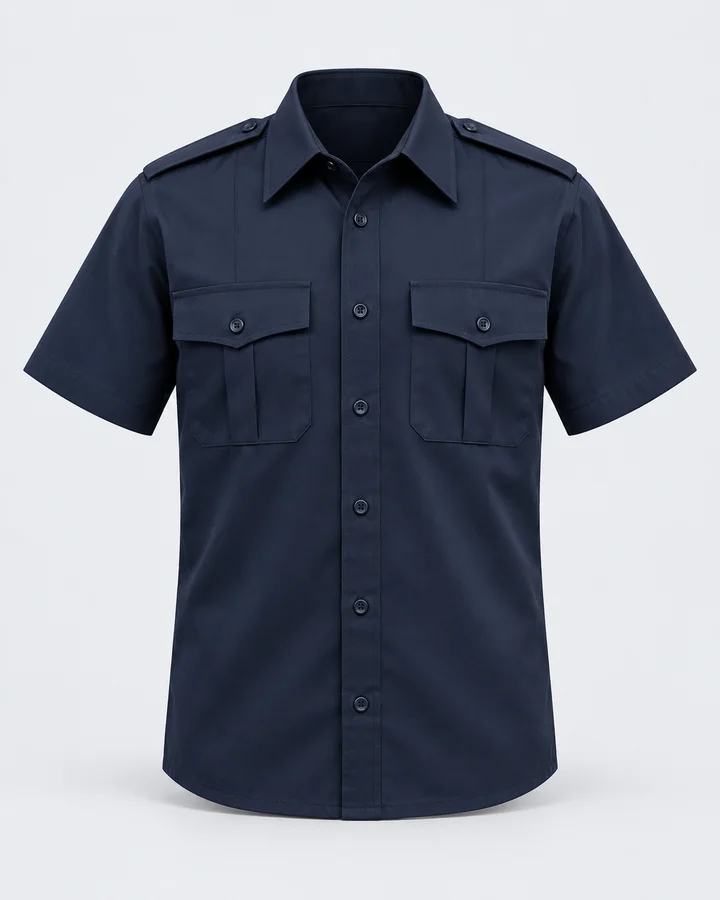
Navy short-sleeve uniform shirt with epaulettes and two flap chest pockets

01Sheet 01.01

Uniform shirts

Specify short or long sleeves, collar, chest pockets, epaulettes, shirt length and tuck-in allowance. Review the pattern and reinforcement in a sample.

  1. CollarSpecify the collar.
  2. EpaulettesSpecify epaulettes, if requested.
  3. Chest pocketsReview pattern and reinforcement in a sample.
  4. SleevesShort or long sleeves.
  5. Length & tuck-inShirt length and tuck-in allowance.

Proposed range — confirm production scope in your brief.
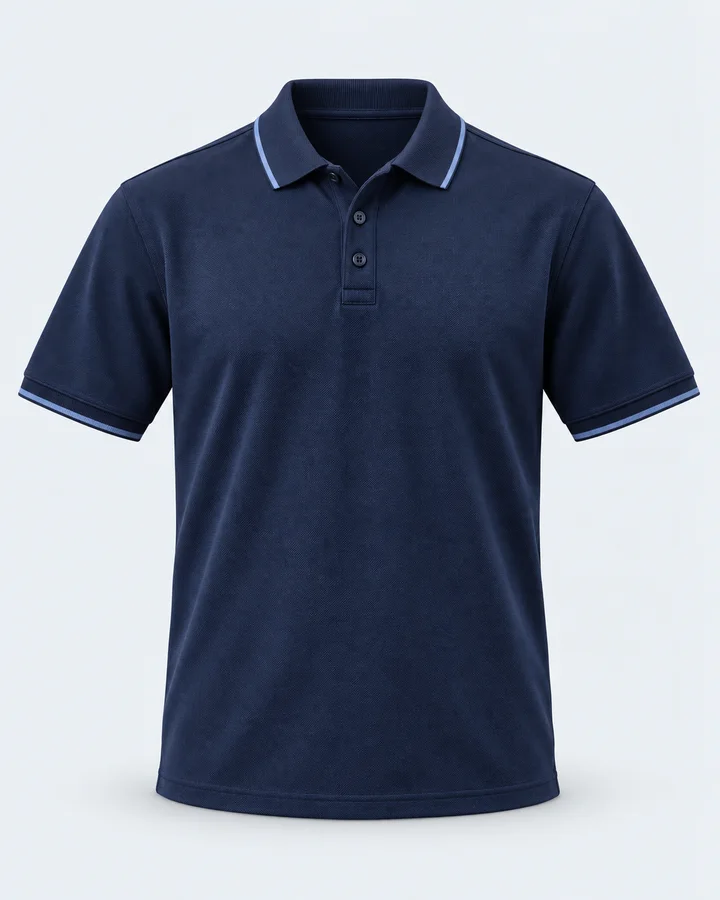
Navy knit polo shirt with tipped collar and sleeve bands

02Sheet 01.02

Security polos

Compare knit weight and handfeel; define collar, placket, sleeve and hem fit. Ask how embroidery or identification will behave on the selected knit.

  1. CollarDefine the collar.
  2. PlacketDefine the placket.
  3. IdentificationAsk how embroidery behaves on the knit.
  4. SleeveDefine sleeve fit.
  5. KnitCompare knit weight and handfeel.
  6. HemDefine hem fit.

Proposed range — confirm production scope in your brief.
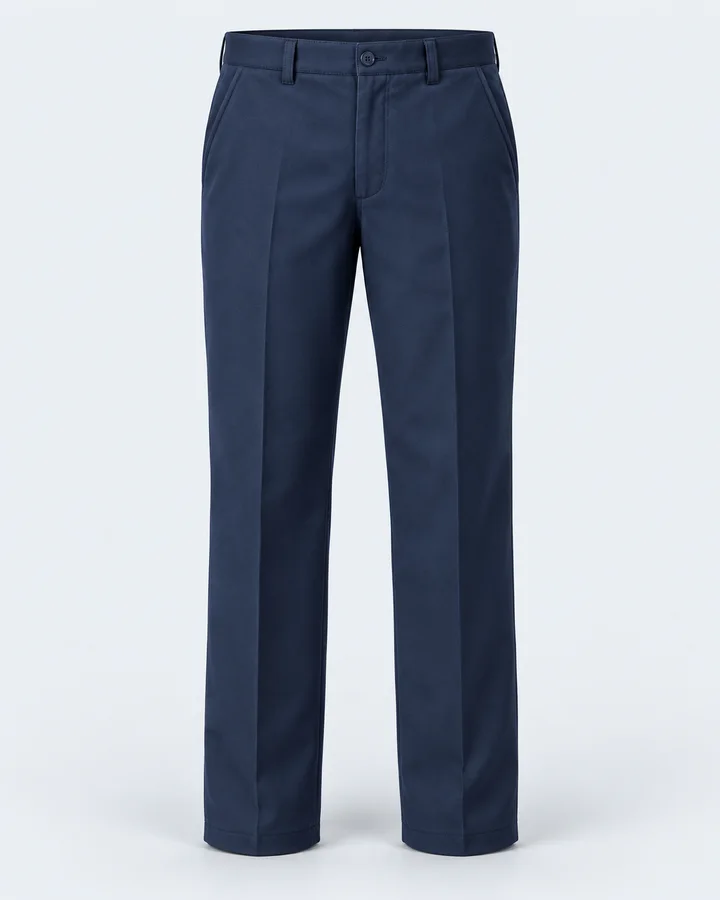
Navy pressed duty trousers with belt loops and slant front pockets

03Sheet 01.03

Duty trousers

State waist, rise, seat, inseam and hem dimensions, with sitting and walking requirements. Agree pocket access, belt width and allocation by wearer block.

  1. Waist & belt widthState the waist; agree belt width.
  2. Pocket accessAgree pocket access.
  3. Rise & seatState rise and seat dimensions.
  4. InseamWith sitting and walking requirements.
  5. HemState the hem dimension.
Explore Duty trousers ↗

Proposed range — confirm production scope in your brief.
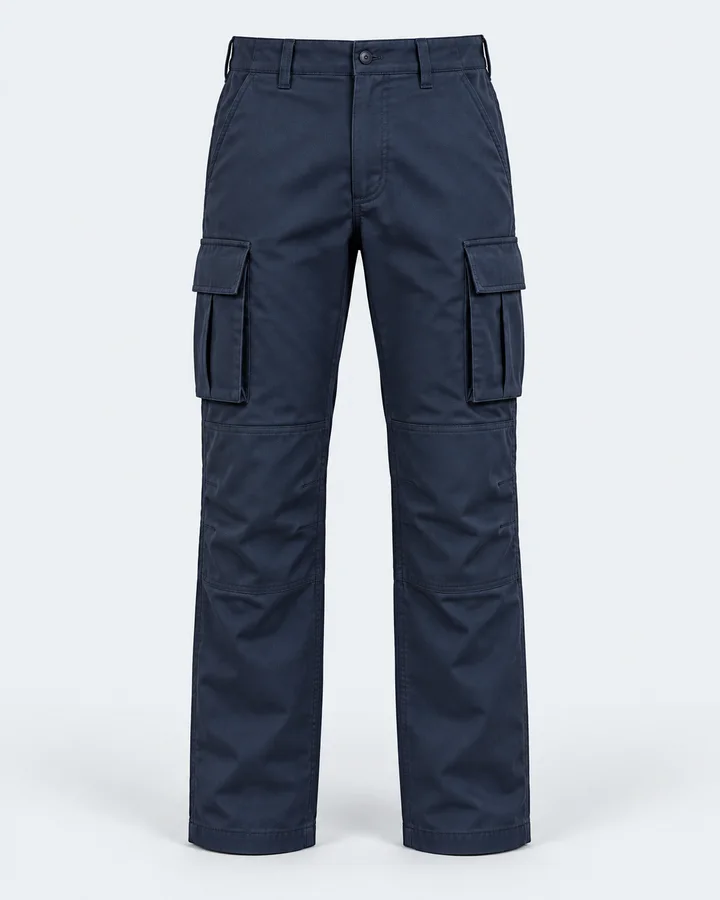
Navy cargo trousers with flap pockets on both thighs

04Sheet 01.04

Cargo trousers

Mark pocket position, closure and intended carried items. Review loaded-pocket comfort, seam reinforcement and leg shape before approving the pattern.

  1. Pocket positionMark position and intended carried items.
  2. ClosureMark the pocket closure.
  3. Loaded pocketReview loaded-pocket comfort.
  4. Seam reinforcementReview before approving the pattern.
  5. Leg shapeReview leg shape before approval.

Proposed range — confirm production scope in your brief.
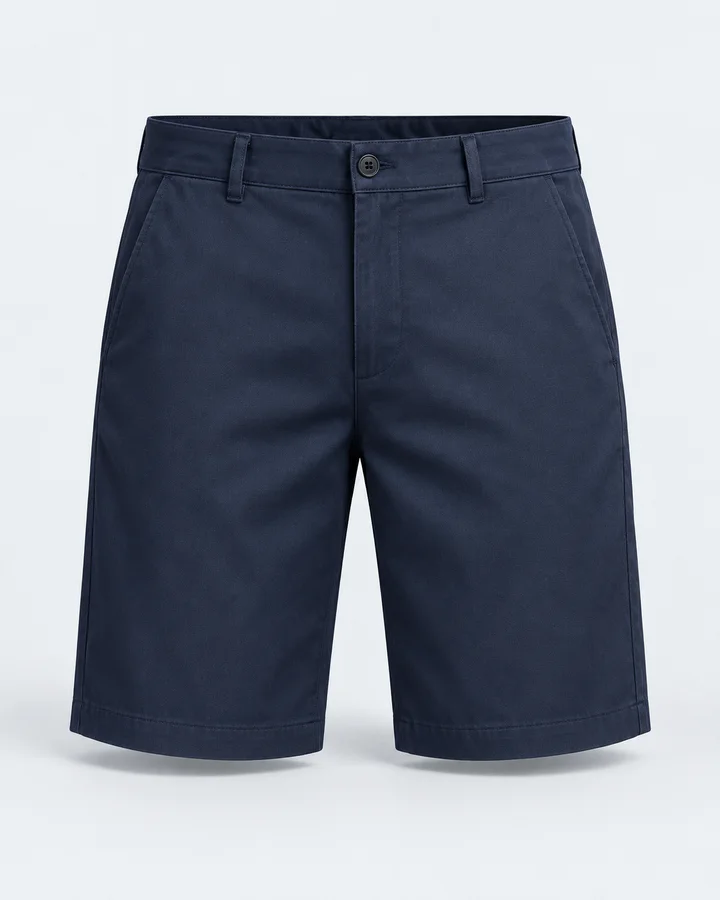
Navy knee-length security shorts with belt loops

05Sheet 01.05

Security shorts

Define coverage, inseam, waistband, pocket layout and shift conditions. Confirm whether this garment suits your workplace dress requirements.

  1. WaistbandDefine the waistband.
  2. Pocket layoutDefine the pocket layout.
  3. InseamDefine the inseam.
  4. Dress codeConfirm it suits your workplace and shifts.
  5. CoverageDefine coverage.

Proposed range — confirm production scope in your brief.
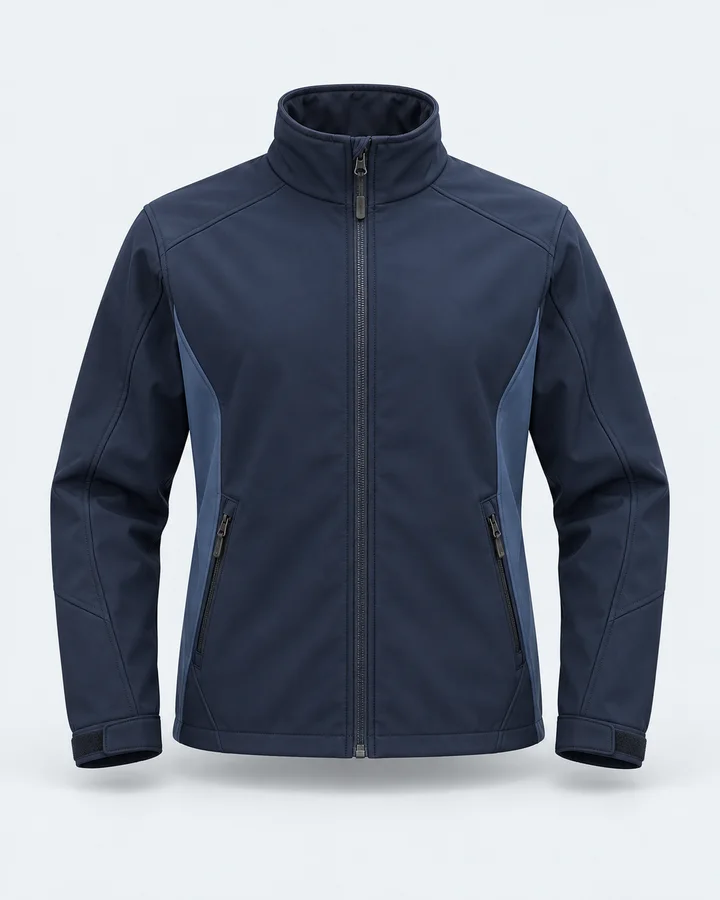
Navy softshell jacket with steel side panels and zip pockets

06Sheet 01.06

Softshell jackets

Specify the intended layering allowance, collar, cuffs and pocket access. Request actual fabric construction; the concept does not establish weather protection.

  1. CollarSpecify the collar.
  2. Pocket accessSpecify pocket access.
  3. LayeringSpecify the layering allowance.
  4. FabricRequest actual construction; no weather protection is established.
  5. CuffsSpecify the cuffs.

Proposed range — confirm production scope in your brief.
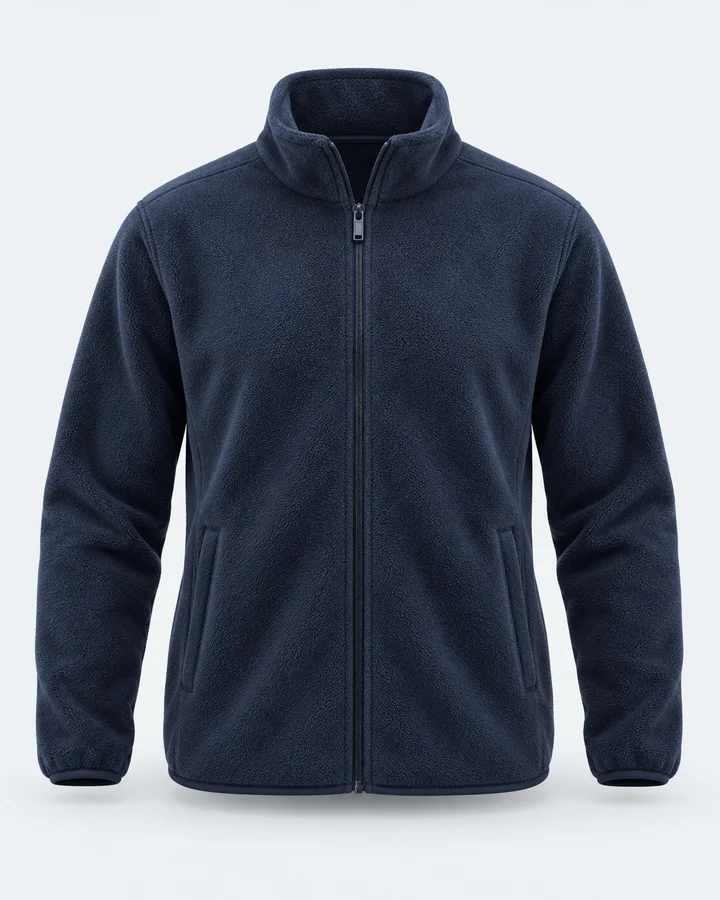
Navy full-zip fleece midlayer with a stand collar

07Sheet 01.07

Fleece and midlayers

Compare available fleece weights and finishes, then define layering ease, zip length and branding positions. Review pilling and care requirements with the material supplier.

  1. Zip lengthDefine the zip length.
  2. BrandingDefine branding positions.
  3. FleeceCompare available weights and finishes.
  4. Layering easeDefine layering ease.
  5. Pilling & careReview with the material supplier.

Proposed range — confirm production scope in your brief.
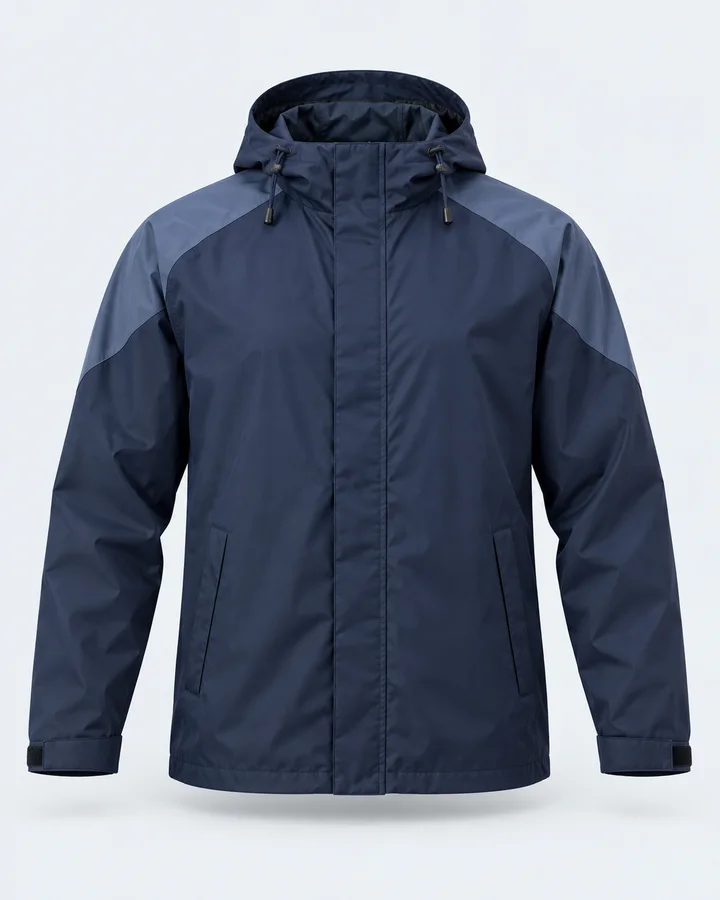
Navy hooded rain jacket with steel shoulder panels and cuff tabs

08Sheet 01.08

Rainwear

Describe rainfall exposure, coverage and layering. Any waterproof, seam-sealing or visibility requirement needs a confirmed construction and relevant test evidence.

  1. CoverageDescribe exposure and coverage.
  2. Seam sealingNeeds confirmed construction and test evidence.
  3. VisibilityNeeds confirmed construction and test evidence.
  4. WaterproofingA requirement, not a claim: evidence needed.
  5. LayeringDescribe the layers underneath.
Explore Rainwear ↗

Proposed range — confirm production scope in your brief.
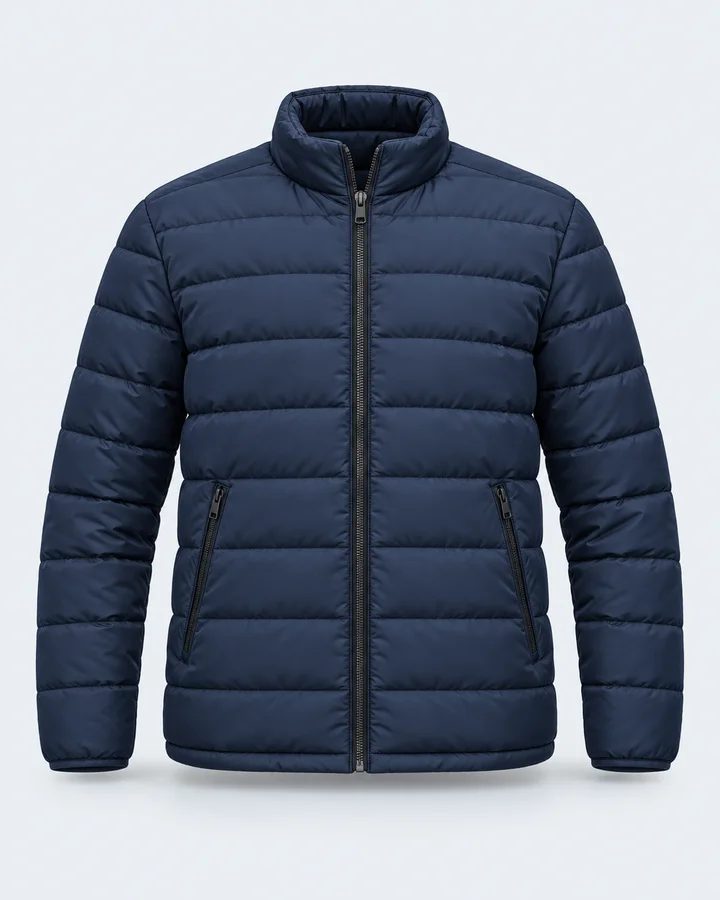
Navy quilted insulated jacket with a stand collar and zip pockets

09Sheet 01.09

Insulated jackets

State climate, mobility and underlayers; discuss insulation, lining, closures and hem coverage. Temperature ratings require product-specific evidence.

  1. Climate & underlayersState climate and underlayers.
  2. Temperature ratingRequires product-specific evidence.
  3. Insulation & liningDiscuss insulation and lining.
  4. MobilityState mobility needs.
  5. ClosuresDiscuss closures.
  6. Hem coverageDiscuss hem coverage.

Proposed range — confirm production scope in your brief.
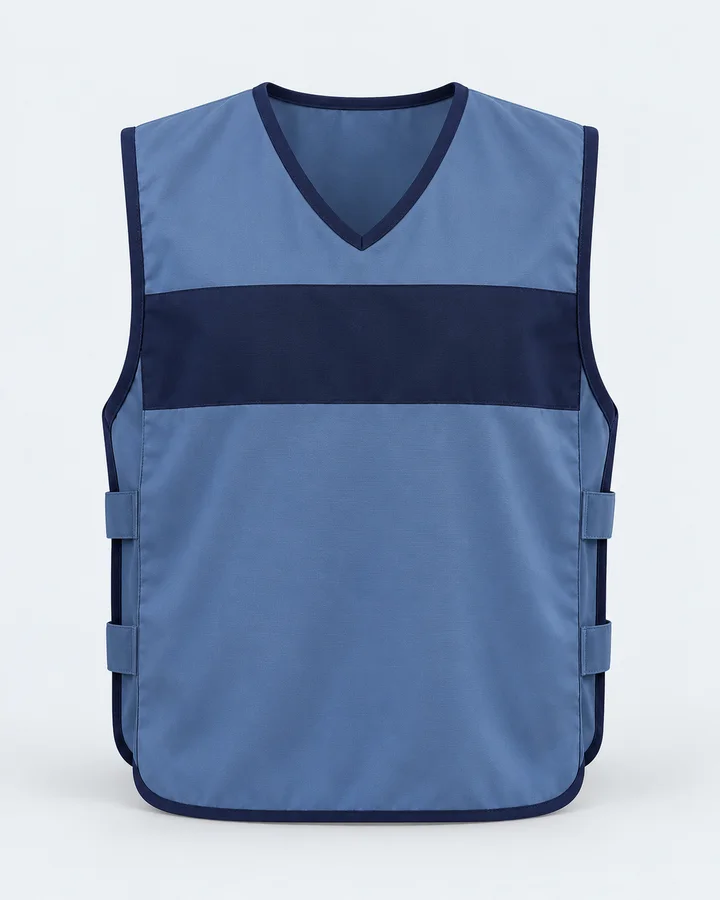
Sky-blue fabric tabard with a navy identification band and side straps

10Sheet 01.10

Identification vests and tabards

Specify identification panel size, wearer layers, openings and adjustment. These are ordinary fabric garments; protective or visibility standards require separate confirmation.

  1. OpeningsSpecify neck and arm openings.
  2. ID panelSpecify the identification panel size.
  3. Wearer layersSpecify what is worn underneath.
  4. AdjustmentSpecify the adjustment.
  5. StandardsOrdinary fabric: standards need separate confirmation.

Proposed range — confirm production scope in your brief.
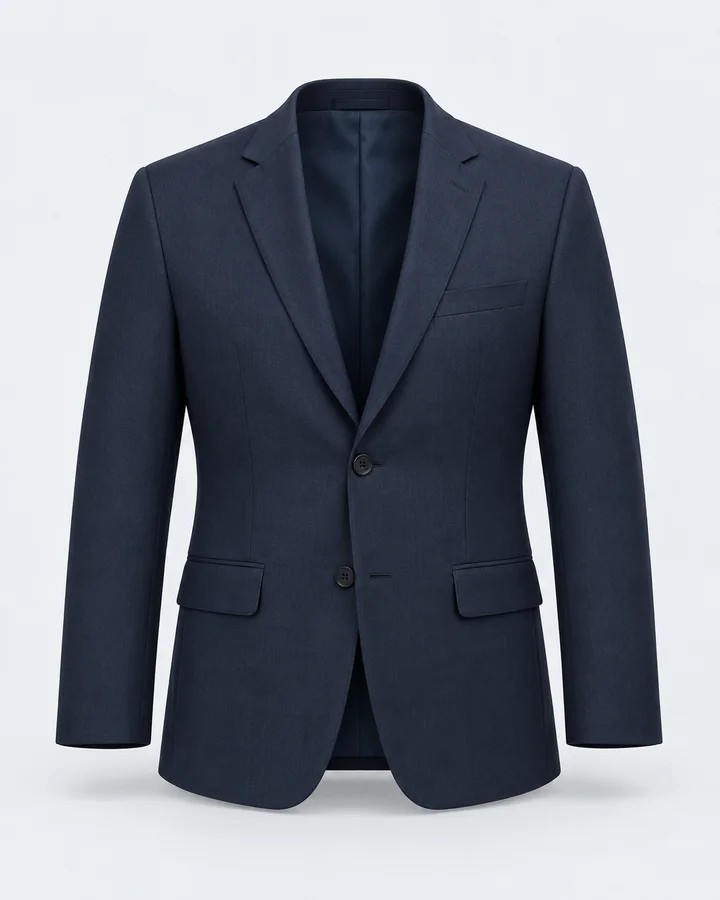
Navy single-breasted formal uniform jacket with notch lapels

11Sheet 01.11

Formal security uniforms

Define jacket silhouette, lapel, lining, buttons and coordinated trouser appearance. Approve fit, shade matching and badge positions using a physical sample.

  1. LapelDefine the lapel.
  2. Badge positionsApprove on a physical sample.
  3. ButtonsDefine the buttons.
  4. Fit & shadeApprove fit and shade matching on a sample.
  5. SilhouetteDefine the jacket silhouette.
  6. LiningDefine the lining.

Proposed range — confirm production scope in your brief.
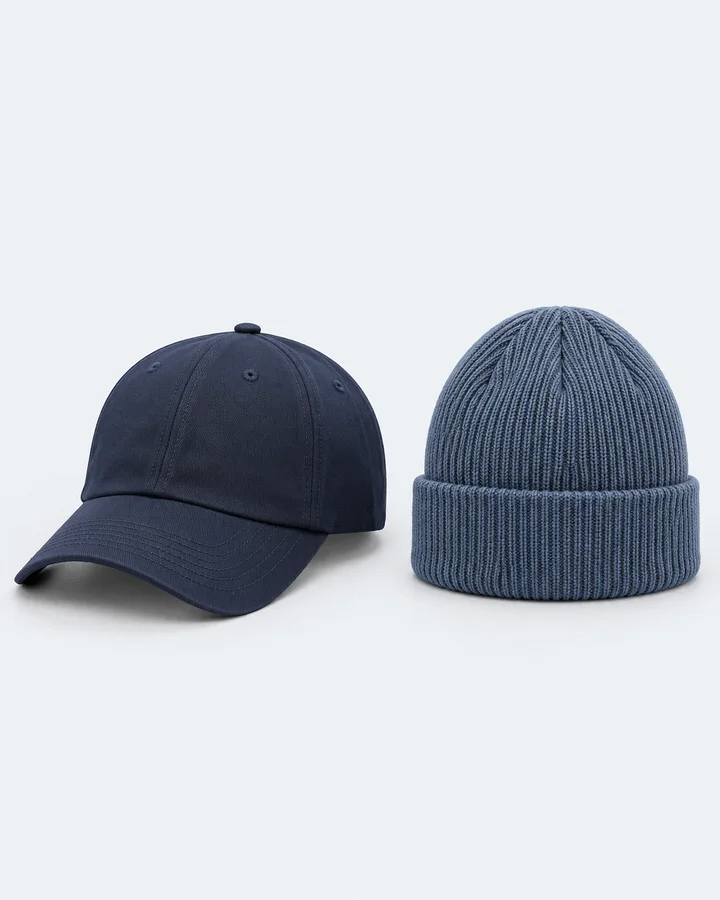
Navy six-panel cap beside a steel-blue ribbed beanie

12Sheet 01.12

Headwear and accessories

List caps, beanies or other fabric accessories separately, with dimensions, adjustment and logo placements. Confirm each item’s sourcing and order minimum.

  1. Logo placementList logo placements per item.
  2. DimensionsList dimensions per item.
  3. AdjustmentList the adjustment.
  4. BeaniesList each accessory separately.
  5. Sourcing & minimumConfirm per item.

Proposed range — confirm production scope in your brief.

02 Spec-list builder

Write the spec list.

Pick the garment families, where they will be worn and the questions you need answered. The list becomes the first lines of your brief. Nothing on it is a confirmed product, price or capability.

A Garment families
B Working environment
C Questions to confirm

Spec list · WN-SU-0000

Security uniforms

Proposed rangeScope under review

Items 0

  1. Pick garment families from the register or the list.

Environment

—

Questions to confirm 0

  1. Tick the questions you want answered.

Site-level terms: minimum 50 pcs · sampling 7–10 days · bulk 21–30 days. Confirm how they apply to this proposed range.

03 Your buying decisions

Dress for the actual working environment.

BZone B

Patrol and events

Describe movement, access to pockets, layering and tasks. Specify epaulettes, badge tabs or radio loops only as requested features for feasibility review.

Related sheets

CZone C

Cold or wet work

Define layering and the requested rain/insulation brief. Ordinary clothing does not imply protective performance.

Related sheets

04 Your buying decisions

Specify fabric and care together.

A material schedule, not a promise: each line is a request you make, answered with a real swatch.

M-01

Woven uniforms

Request composition, GSM, construction and colour for polyester/cotton, cotton-rich or stretch/ripstop candidates. Compare appearance and movement in a real swatch.

Illustrative macro of a ripstop woven
Illustrative texture

M-02

Knits and layers

Ask about piqué/interlock, fleece or outerwear materials for the actual garment. Confirm stretch, backing, layering and washing.

Illustrative macro of an interlock knit
Illustrative texture

M-03

Care requirements

Provide the wash temperature, drying and laundering regime. Evaluate the decorated finished garment before adopting a care or durability claim.

Your care regime

Wash___ °C

Drying________

Laundering________

Filled in by you · tested on the finished garment

05 Your buying decisions

Make identification clear.

  1. 01

    Identity and placement

    Show logo, role and name-tape dimensions and placement. Ask which embroidery, patch, transfer or label method is compatible.

  2. 02

    Sample evaluation

    Review backing comfort, scale, edge finish, adhesion and care on the selected substrate; lightweight knits need a specific trial.

Uniform shirt with dashed placement zones for logo, role and name tape Logo · W × H yours Role · W × H yours Name tape · W × H yours
Placement concept · method and size confirmed on a decorated sample
Duty trousers with dimension lines for waist, rise, inseam and hem Waist · body Rise Inseam · body Hem
Body measurement: taken on the wearer, over intended underlayers

06 Your buying decisions

Approve the size set before staff allocation.

  1. 01

    Body versus garment

    Record chest, waist and hip as body measurements. Compare these with the garment’s finished measurements and intended ease; they are different values.

  2. 02

    Layering and length

    Measure over intended underlayers. Specify sleeve reach, shirt/body length and trouser inseam separately, in cm or inches.

  3. 03

    Fit blocks and allocation

    Ask which wearer blocks, inseams and extended sizes can be supplied. Approve a size set before assigning staff quantities; initial enquiries do not need employee names.

07 Your buying decisions

Make the reorder reference explicit.

Development

Confirm actual support, fees and revisions.

  1. D-01Brief
  2. D-02Technical flats
  3. D-03Swatches
  4. D-04Branding proof
  5. D-05Fit sample
  6. D-06Approved pre-production reference

Program continuity

Agree style/colour codes, materials/trims, packing, batch references and future top-up minimums. Supply continuity is a discussion, not a guarantee.

Style code
to agree
Colour code
to agree
Materials / trims
to agree
Packing
to agree
Batch reference
to agree
Top-up minimum
to agree

08 Your buying decisions

Before you request a quote.

The questions buyers ask first, logged like requests for information. Tick one to add it to your spec list.

Q-01Does the minimum apply to every style and colour?

The site publishes a company-level 50-piece minimum. Ask how it applies to shirts, trousers, layers, colours, size mixing and decoration; a new uniform program may have separate material minimums.

Q-02Can we match an existing uniform?

Send a reference garment and the points you need to retain. Ask for pattern comparison, physical colour approval and the agreed limits before treating a replacement as equivalent.

Q-03Which fabric should we specify for hot-weather shifts?

Describe climate, wear tasks, desired appearance and care. Request actual composition, GSM and swatches; fabric construction alone does not prove protection or industrial-laundry suitability.

Q-04Can pockets, epaulettes and radio loops be added?

List each feature and its location in the brief. Supported construction and reinforcement must be confirmed and reviewed in a prototype.

Q-05Will tops and trousers match?

Provide a physical colour target. Different knits and wovens may need separate shade approval; screen colours cannot guarantee a match.

Q-06How should logos and role identifiers be supplied?

Share artwork, placement and dimensions. Ask which methods, backing and name-tape or patch options suit the chosen fabric, then approve a decorated sample.

Q-07Are women’s blocks and long inseams available?

Request the actual pattern blocks, grading scope and style-specific measurement chart. Availability is not implied by extending a letter-size list.

Q-08How do sample and staff size trials work?

Specify which garments and sizes you need to trial. Sample fees, contents, revisions and any return policy require confirmation in the quotation.

Q-09Can uniforms be industrially laundered?

State the exact wash regime. Suitability must be established for the finished decorated garment; it cannot be inferred from a polyester/cotton description.

Q-10Can we reorder the same program?

Ask which style, colour, material and trim references will be retained, and confirm top-up minimums, supply continuity and shade limits.

Q-11Are these protective uniforms?

This proposed page covers ordinary uniform briefs. High-visibility, flame, ballistic or stab protection requires separately documented products and evidence; a reflective trim or uniform image is insufficient.

Q-12What determines the delivered price and date?

Quantities, patterns, fabrics, decoration, approvals and packing affect the quote. Confirm dispatch and destination transit separately; requested dates are not guarantees.

09 Your buying decisions

Turn the brief into a quote.

Tell us your garments, intended use, style and colour quantities, destination and the decisions you need help with. Materials, construction, minimums and delivery are agreed for the exact enquiry.

A quote request starts a conversation about your specification. It does not confirm an order, price or manufacturing method.

Add contact and timing details +
Chat on WhatsApp ↗

Contact whatsnextapparels@gmail.com or WhatsApp. Opening WhatsApp lets you review and send your message; it does not submit this form.

10 / Security uniforms · issue for review

Draw it first. Then make it.

Your garments, your working environment and your questions, on one sheet.

Illustrations show design directions. They do not establish available products, performance, certification or factory equipment.