Request a quote↗

WhatsNext Apparels · Range development

Develop an original utility-led apparel brief.

Proposed rangeScope under review

This proposed range separates technical fashion from proven performance. Define silhouette, material, construction and intended use; production scope and test evidence need confirmation.

Dwg
WN-TW-00
Rev
A
Scale
NTS
Status
Proposed · scope under review

01 Your buying decisions

Choose the garment architecture.

Ten garment families, drawn as a register. Open a sheet and the callouts show what you would specify for it. Tap a callout to see the detail; add the family to your spec list when it belongs in the brief.

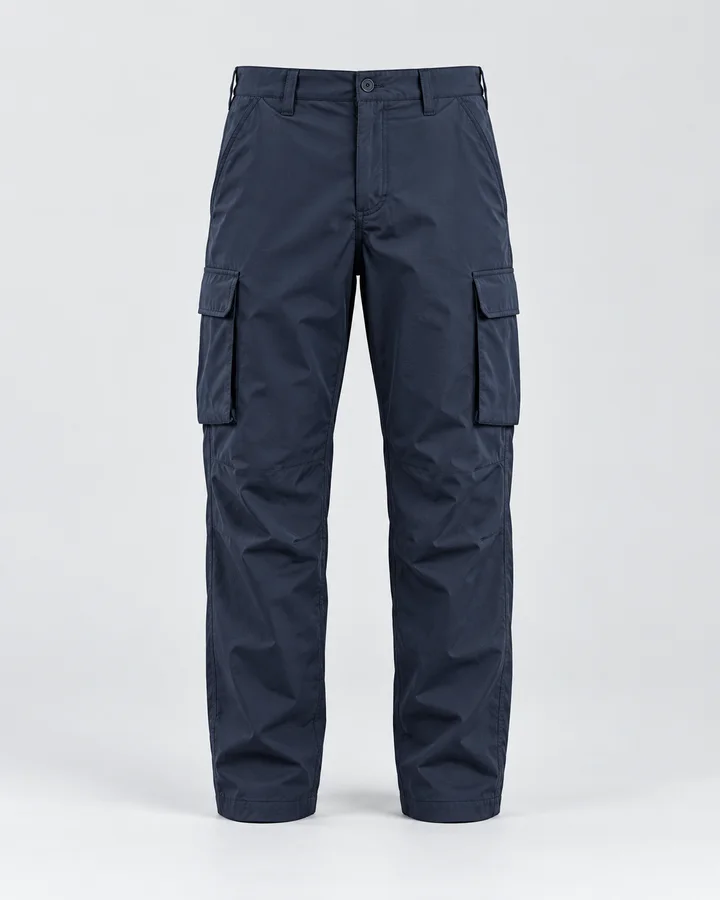
Navy utility cargo pants with flap pockets on both thighs

01Sheet 01.01

Utility cargo pants

Map storage, pocket openings and carried items; specify rise, thigh, inseam and hem shape. Test sitting, crouching and loaded-pocket access in the prototype.

  1. Pocket openingsMap each opening.
  2. RiseSpecify the rise.
  3. ThighSpecify the thigh.
  4. StorageMap storage and carried items.
  5. Loaded pocketsTest loaded-pocket access in the prototype.
  6. InseamSpecify the inseam; test sitting and crouching.
  7. Hem shapeSpecify the hem shape.

Proposed range — confirm production scope in your brief.
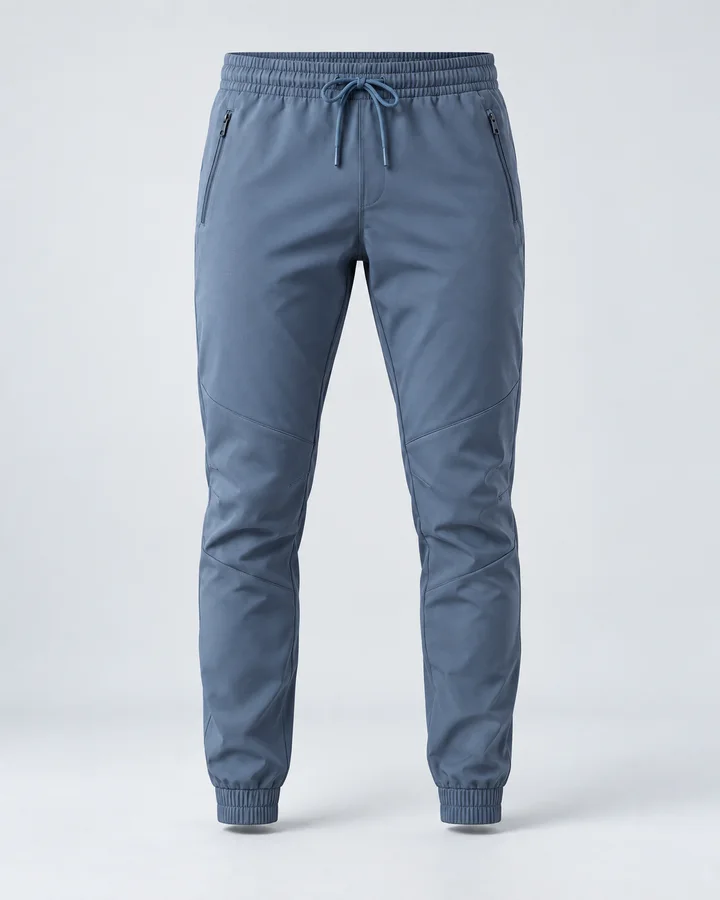
Steel-blue technical joggers with a drawcord waist, zip pocket and cuffed hems

02Sheet 01.02

Technical joggers

Agree taper, waistband adjustment, inseam and hem closure. Compare actual stretch and non-stretch candidates against the required movement and care.

  1. WaistbandAgree waistband adjustment.
  2. StretchCompare stretch and non-stretch candidates.
  3. InseamAgree the inseam.
  4. TaperAgree the taper.
  5. Hem closureAgree the hem closure.

Proposed range — confirm production scope in your brief.
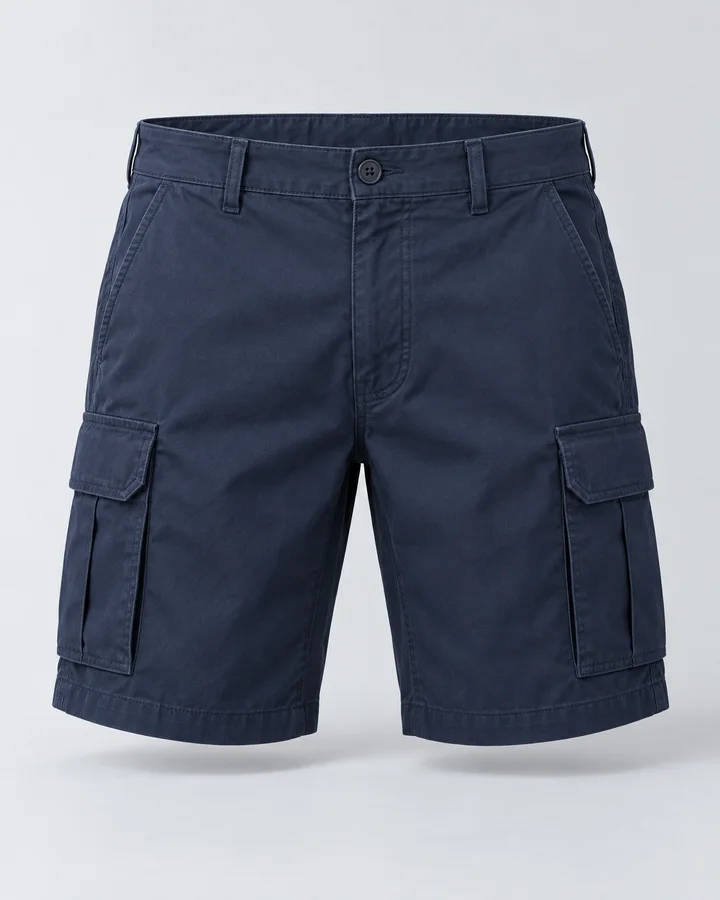
Navy utility shorts with cargo pockets on both legs

03Sheet 01.03

Utility shorts

Set coverage and inseam, waistband and pocket positions. Check access and comfort in movement rather than treating pocket count as a functional specification.

  1. WaistbandSet the waistband.
  2. Pocket positionsSet pocket positions.
  3. InseamSet the inseam.
  4. AccessCheck access and comfort in movement.
  5. CoverageSet coverage.

Proposed range — confirm production scope in your brief.
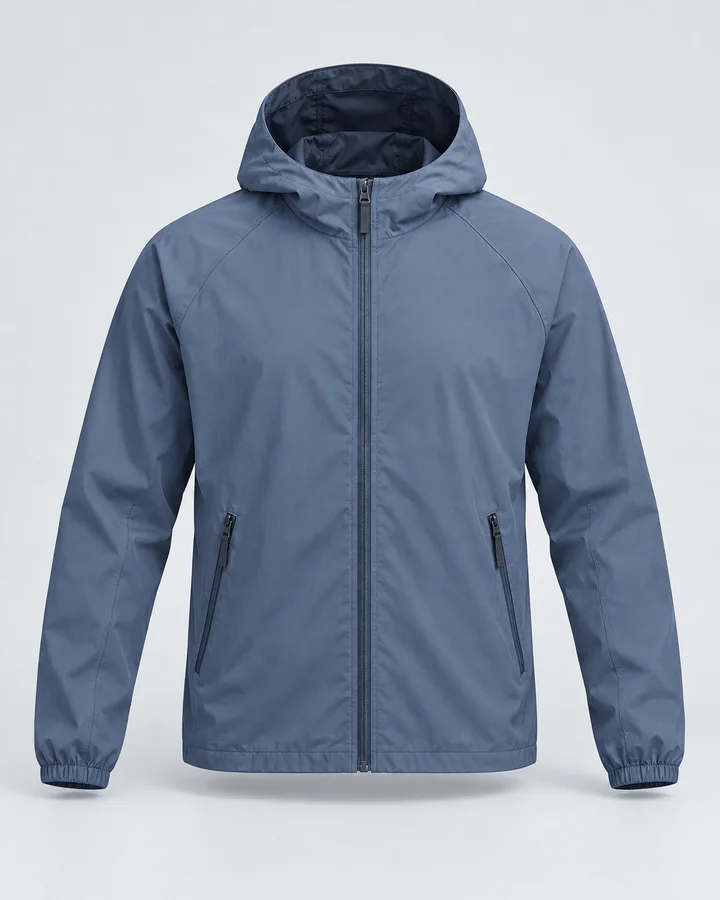
Steel-blue hooded shell jacket with zip pockets and cuffed sleeves

04Sheet 01.04

Shell jackets

Define hood, collar, cuffs, hem adjustment and layering. Coatings, seam work and water or wind claims need material and finished-garment confirmation.

  1. HoodDefine the hood.
  2. CollarDefine the collar.
  3. Seam workNeeds material and finished-garment confirmation.
  4. LayeringDefine layering.
  5. Water or wind claimsNeed confirmation, not assumption.
  6. CuffsDefine the cuffs.
  7. Hem adjustmentDefine the hem adjustment.
Explore Shell jackets ↗

Proposed range — confirm production scope in your brief.
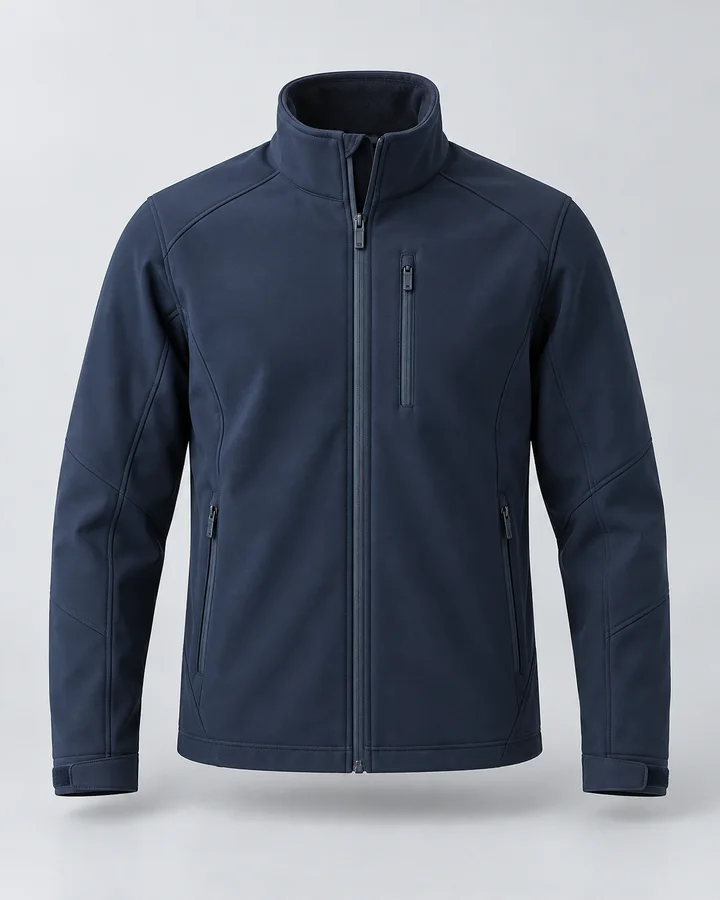
Navy softshell jacket with a stand collar and a chest zip pocket

05Sheet 01.05

Softshell jackets

Specify body ease and stretch needs alongside collar, sleeves and storage. Ask for actual face/back construction and decoration compatibility.

  1. CollarSpecify the collar.
  2. DecorationAsk about decoration compatibility.
  3. StorageSpecify storage.
  4. Face/backAsk for actual construction.
  5. SleevesSpecify the sleeves.
  6. Body easeSpecify body ease and stretch.

Proposed range — confirm production scope in your brief.
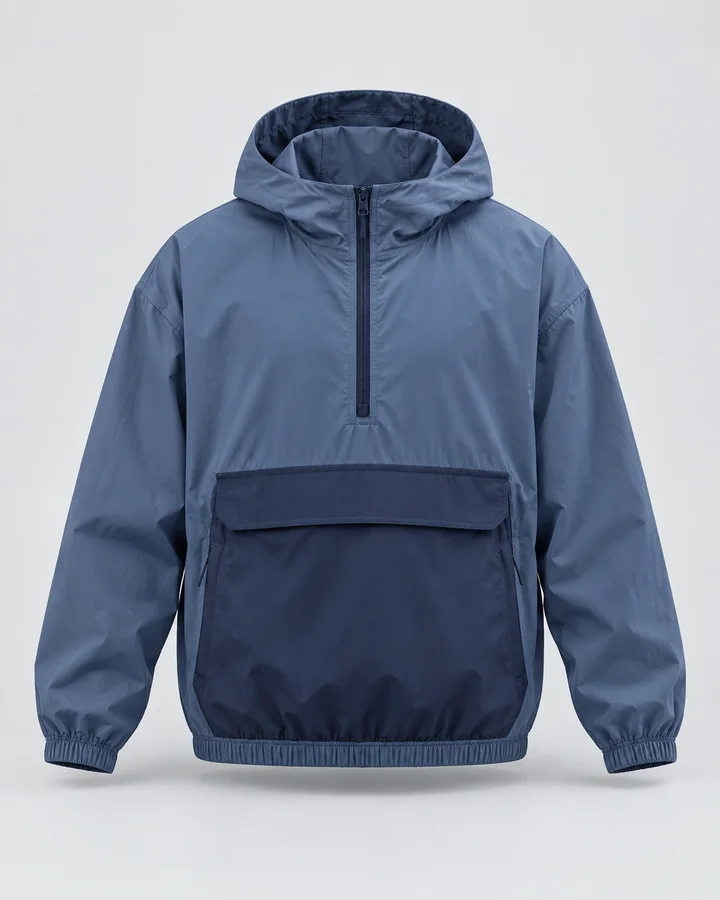
Steel-blue pullover anorak with a half zip, hood and a navy front pocket

06Sheet 01.06

Anoraks and windbreakers

Agree pullover or front-opening construction, hood adjustment, front pocket and hem length. Discuss weather requirements separately from the fashion silhouette.

  1. Hood adjustmentAgree hood adjustment.
  2. OpeningPullover or front-opening construction.
  3. WeatherDiscuss separately from the silhouette.
  4. Front pocketAgree the front pocket.
  5. Hem lengthAgree the hem length.

Proposed range — confirm production scope in your brief.
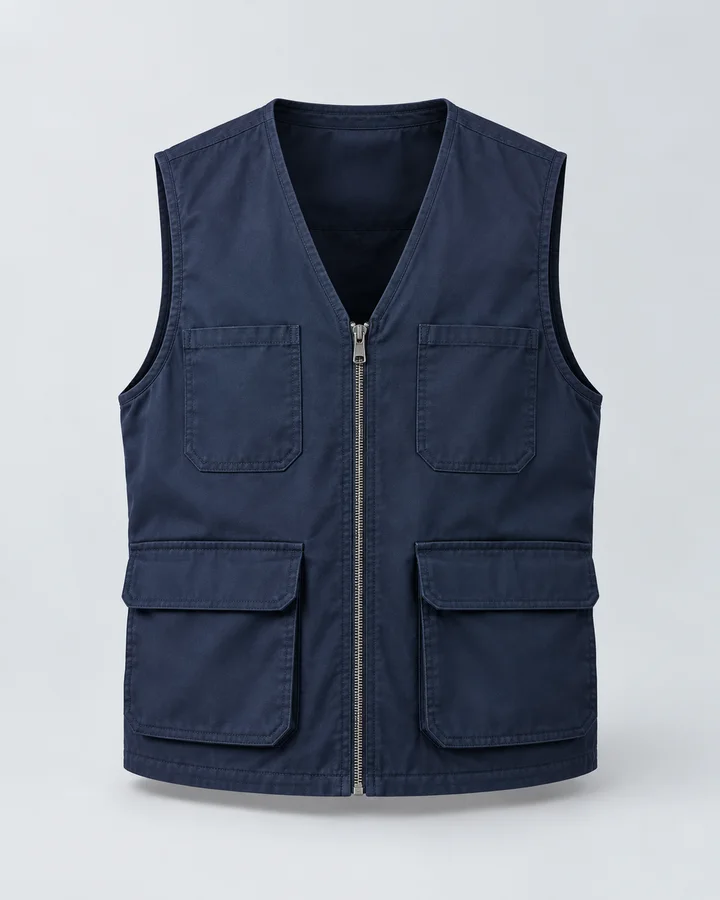
Navy utility vest with a centre zip and four flap pockets

07Sheet 01.07

Utility vests

Mark each pocket, closure and intended load, with armhole and body ease over the chosen layers. Review balance and access on a full prototype.

  1. ArmholeEase over the chosen layers.
  2. Each pocketMark each pocket.
  3. ClosureMark the closure.
  4. Body easeBody ease over the chosen layers.
  5. Intended loadMark the intended load.
  6. BalanceReview balance and access on a prototype.
Explore Utility vests ↗

Proposed range — confirm production scope in your brief.
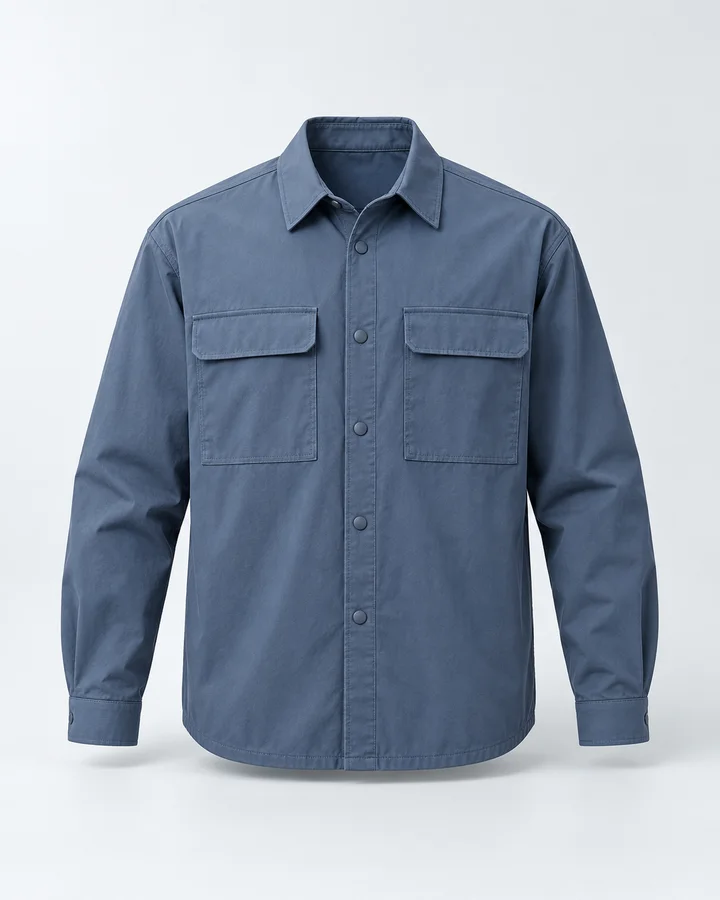
Steel-blue woven overshirt with two flap chest pockets

08Sheet 01.08

Overshirts

Define collar, placket, sleeve, body length and intended layer. Compare the actual woven weight and handfeel before treating it as a shirt or jacket.

  1. CollarDefine the collar.
  2. Woven weightCompare actual weight and handfeel.
  3. PlacketDefine the placket.
  4. Intended layerShirt or jacket: define the layer.
  5. SleeveDefine the sleeve.
  6. Body lengthDefine the body length.
Explore Overshirts ↗

Proposed range — confirm production scope in your brief.
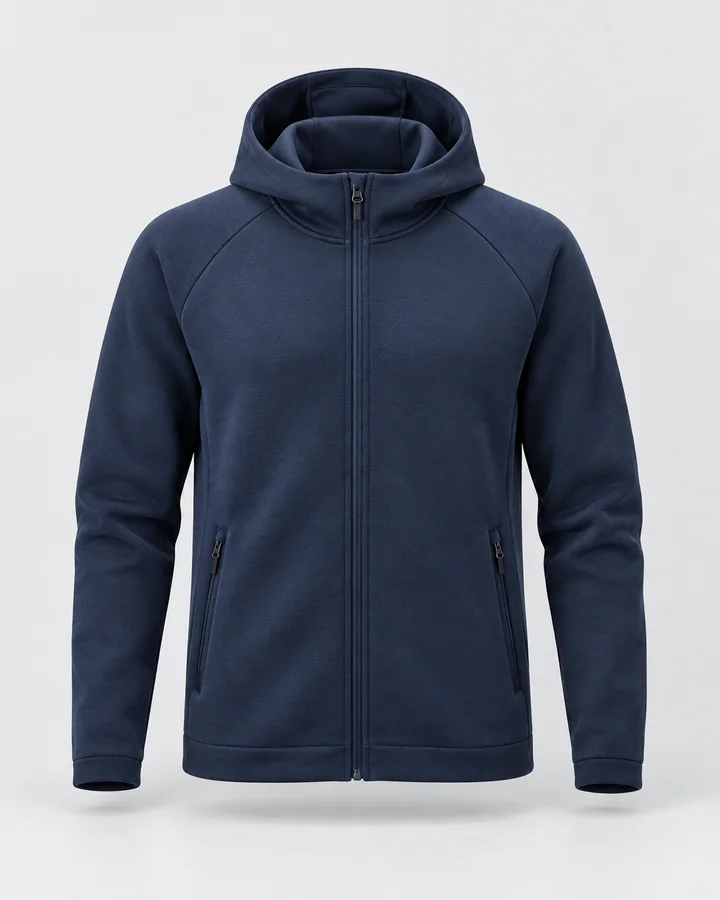
Navy full-zip technical hoodie with zip hand pockets

09Sheet 01.09

Technical hoodies and midlayers

Specify hood or collar, zip length, sleeve reach and underlayer fit. Review seam comfort and compatible branding for the actual knit or fleece.

  1. Hood or collarSpecify hood or collar.
  2. Seam comfortReview seam comfort.
  3. BrandingReview compatible branding for the knit.
  4. Zip lengthSpecify the zip length.
  5. Underlayer fitSpecify underlayer fit.
  6. Sleeve reachSpecify sleeve reach.

Proposed range — confirm production scope in your brief.
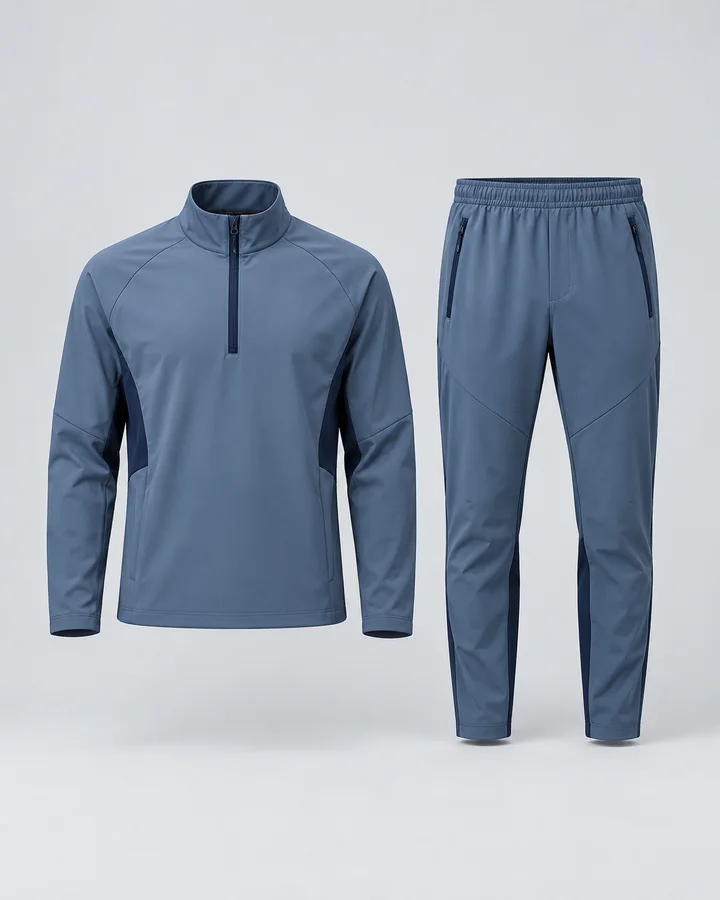
Steel-blue half-zip top and matching tapered trousers

10Sheet 01.10

Coordinated sets

Provide separate upper and lower measurement sheets, with shared shade targets and hardware direction. Approve each material’s colour and care separately.

  1. HardwareShare the hardware direction.
  2. Upper sheetA separate upper measurement sheet.
  3. Shade targetShare shade targets across the set.
  4. Colour & careApprove each material separately.
  5. Lower sheetA separate lower measurement sheet.

Proposed range — confirm production scope in your brief.

02 Spec-list builder

Write the spec list.

Pick the garment families, what they are for and the questions you need answered. The list becomes the first lines of your brief. Nothing on it is a confirmed product, price or capability.

A Garment families
B Intended use
C Questions to confirm

Spec list · WN-TW-0000

Techwear

Proposed rangeScope under review

Items 0

  1. Pick garment families from the register or the list.

Intended use

—

Questions to confirm 0

  1. Tick the questions you want answered.

Site-level terms: minimum 50 pcs · sampling 7–10 days · bulk 21–30 days. Confirm how they apply to this proposed range.

03 Your buying decisions

Name the function before the finish.

AUse A

Urban technical fashion

Describe silhouette, shaping, utility pockets and visual identity. Keep design references original and distinguish appearance from tested performance.

Related sheets

BUse B

Everyday function

Identify pocket access, movement, ventilation and adjustment requirements. Review closures, drawcord anchors and gussets in the prototype.

Related sheets

CUse C

Weather-performance requirement

Name the required test and conditions. Material finish, seam construction and completed-garment performance need distinct evidence.

Related sheets

04 Your buying decisions

Write a material and hardware list.

A schedule, not a promise: each line is a request you make, answered with the actual material or component.

M-01

Face and structure

Ask for exact nylon/polyester woven, ripstop or stretch candidates with composition, GSM, face/back and handfeel.

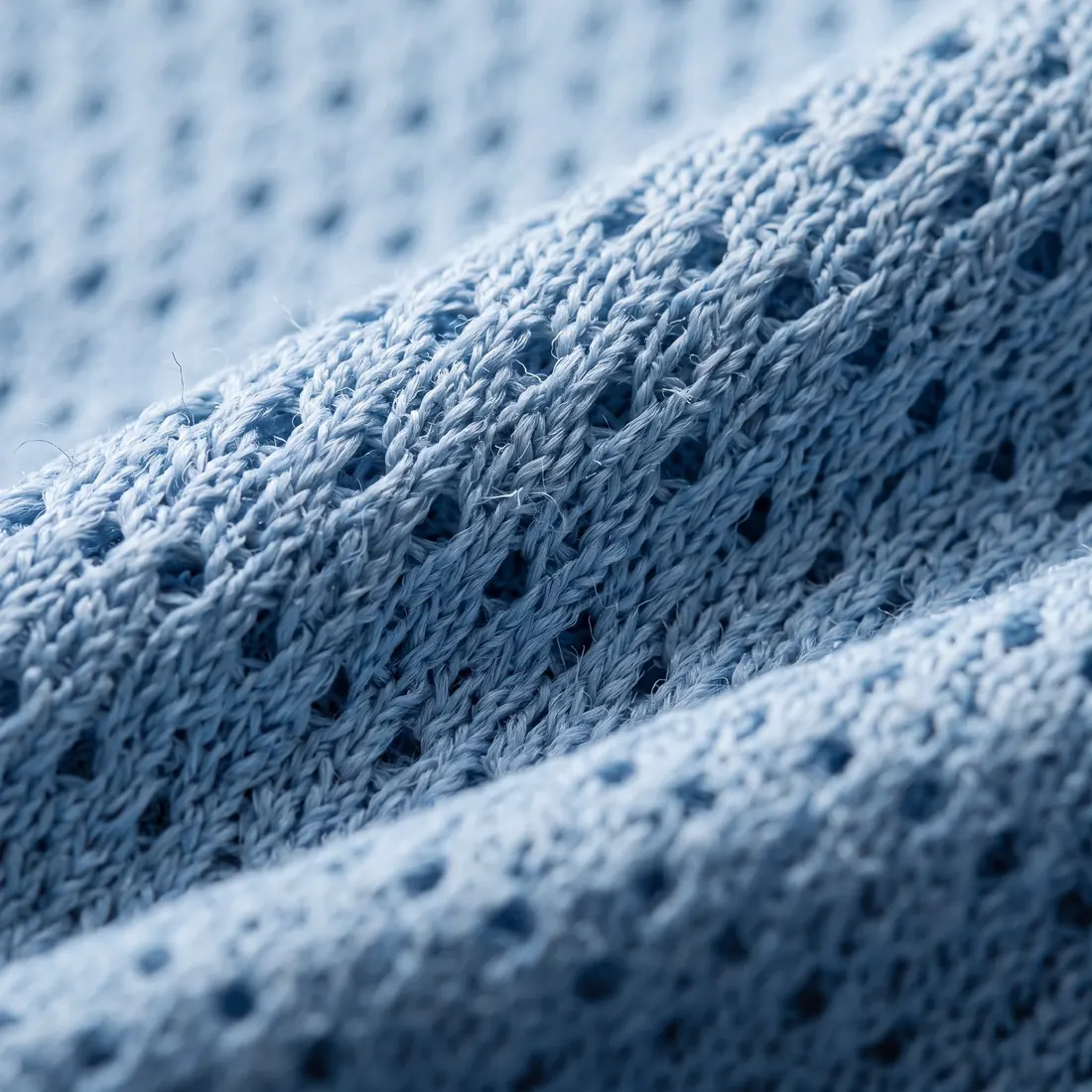
Illustrative macro of a ripstop woven
Illustrative texture

M-02

Shell assembly

Specify coating/laminate, lining, ventilation and seam requirements. Taping/sealing and specialist hardware must be confirmed for the material.

Illustrative macro of an open mesh, as a lining or ventilation reference
Illustrative texture

H-01

Trim authenticity

List desired zippers, buckles, adjustments and replacement options. Authenticate branded components and approve substitutions.

Your hardware list

Zippers________

Buckles________

Adjusters________

Replacements________

Filled in by you · branded parts authenticated · substitutions approved

05 Your buying decisions

Trial branding on the actual assembly.

  1. 01

    Tonal identity

    Request placement and dimensions for embroidery, labels, badges, print or approved reflective decoration.

  2. 02

    Material compatibility

    Evaluate heat tolerance, adhesion, stretch and stitching on coated or laminated materials before approval. Reflective branding does not certify visibility.

Softshell jacket with dashed placement zones on the chest, sleeve and collar Chest · W × H yours Sleeve · W × H yours Collar · W × H yours
Placement concept · method confirmed by a trial on the actual assembly
Utility cargo pants with dimension lines for waist, rise, thigh, inseam and hem opening Waist · body Rise Seat / thigh Inseam · body Hem opening
Body measurement: taken on the wearer, with the intended underlayer

06 Your buying decisions

Test reach and access in the prototype.

  1. 01

    Upper layers

    Specify chest, shoulder, sleeve reach and body length, with the intended underlayer and layering allowance.

  2. 02

    Trouser movement

    State waist, rise, seat/thigh, inseam and hem opening. Review sitting, squatting and access to loaded pockets in a prototype.

  3. 03

    Measurement agreement

    Identify whether each value is a body or finished-garment measure and use cm or inches consistently. Request the actual style chart; tolerances and grading need agreement.

07 Your buying decisions

From original drawings to a usable reference.

Prototype sequence

Six stages, in order, from your moodboard to an approved specification.

  1. P-01Moodboard
  2. P-02Original technical flats
  3. P-03Material / hardware list
  4. P-04Prototype
  5. P-05Fit / function review
  6. P-06Approved specification

Record unresolved choices

Keep closures, seam processes, detachable parts and performance tests open until feasibility, sample and commercial approval.

  • OPENClosures
  • OPENSeam processes
  • OPENDetachable parts
  • OPENPerformance tests

Open until · feasibility → sample → commercial approval

08 Your buying decisions

Before you request a quote.

The questions buyers ask first, logged like requests for information. Tick one to add it to your spec list.

Q-01Is this fashion techwear or tested performance apparel?

Describe your intended use first. This proposed range does not establish tested weather performance; the company must confirm each product’s construction and evidence.

Q-02Can an original design be developed from a sketch?

Provide original references, technical flats and functional requirements. Pattern scope, development charges, revisions and ownership/use arrangements need agreement.

Q-03Which fabrics are available for cargos and shells?

Request verified nylon/polyester woven, ripstop, stretch or shell options with composition, GSM, face/back, finish and care. The category name is not a material specification.

Q-04Does water-repellent mean waterproof?

No blanket performance claim is made here. A finish, water-resistant material and completed-garment waterproofness are different requirements; specify the test, conditions and result needed.

Q-05Can seams be taped or sealed?

Include the requirement in your tech pack. Equipment, compatible fabric/tape and the validation for that assembly need confirmation before quoting it as an available method.

Q-06Can we specify branded zippers and buckles?

Name the authentic component and source requirement. Availability, minimums and substitution approval must be confirmed.

Q-07Can pocket layout and detachable parts change?

Mark access, load and attachment requirements in the drawings. Complexity, movement and anchoring should be reviewed in a prototype.

Q-08Which branding method fits the material?

Ask for a substrate-specific trial. Heat, adhesion and stitching can affect coated, stretch and laminated assemblies; preview effects are not production approval.

Q-09What size blocks and silhouettes are supported?

Specify regular, oversized or tapered intent and layering. Request actual body/garment measurements and grading rather than assuming a silhouette from imagery.

Q-10What testing can be arranged?

Name the exact requirement and distinguish fabric from finished-garment tests. Methods, laboratory scope, cost and timing need confirmation.

Q-11Are recycled or PFAS-free options available?

Request documentation for the exact material and finish. No recycled-content or chemical claim is established by these concept images.

Q-12What affects minimums and lead time?

Material/hardware sourcing, colour minimums, pattern complexity, seam work and approval stages affect the enquiry. Confirm how site-level terms apply to this proposed range.

09 Your buying decisions

Turn the brief into a quote.

Tell us your garments, intended use, style and colour quantities, destination and the decisions you need help with. Materials, construction, minimums and delivery are agreed for the exact enquiry.

A quote request starts a conversation about your specification. It does not confirm an order, price or manufacturing method.

Add contact and timing details +
Chat on WhatsApp ↗

Contact whatsnextapparels@gmail.com or WhatsApp. Opening WhatsApp lets you review and send your message; it does not submit this form.

10 / Techwear · issue for review

Draw it first. Then make it.

Your garments, their function and your questions, on one sheet.

Illustrations show design directions. They do not establish available products, performance, certification or factory equipment.